Anttavasana offers a practical reset in a fast-paced world. Its short, repeatable holds cultivate breath awareness, alignment, and parasympathetic engagement. The pose functions as a quiet counterbalance to dynamic practices and daily stress, supporting nervous system recalibration with minimal time. In a culture of constant stimuli, Anttavasana provides accessible tools to downshift and restore energy—without sacrificing momentum. The question becomes how this simple pause fits into a busy routine, and what changes it might prompt next.
What Anttavasana Is and Why It Matters
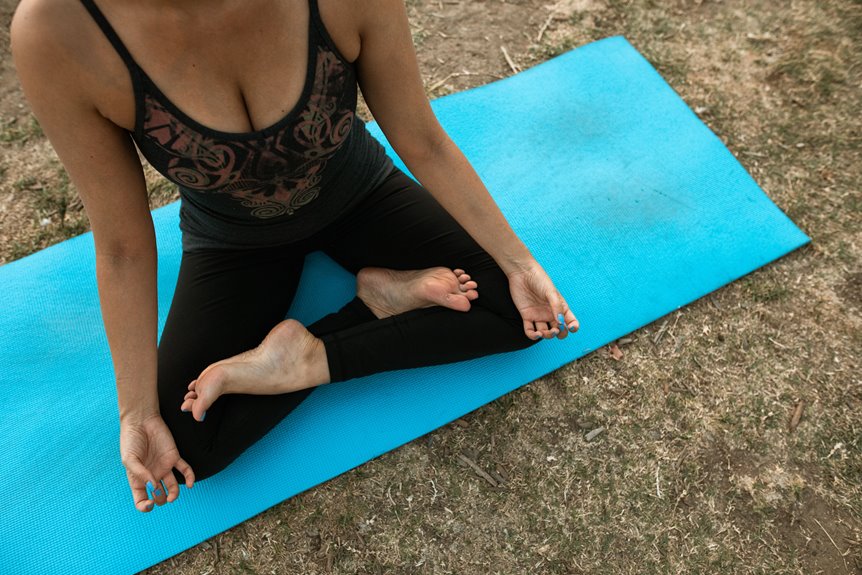
Anttavasana, a restorative yoga pose often translated as the “anti-downward pose,” serves as a grounding counterbalance to more dynamic sequences. It fosters breath awareness by guiding slow inhales and exhalations, while encouraging deliberate posture alignment. This stance supports recovery, recalibrating nervous energy and reducing muscular tension, enabling practitioners to move with greater clarity and freedom between demanding poses.
How Anttavasana Calms the Nervous System and Breath
The preceding discussion established Anttavasana as a grounding, restorative pose that emphasizes slow, controlled breathing and mindful alignment.

In this practice, deliberate calm breath reduces sympathetic activation, promoting parasympathetic dominance.
By sustaining neutral posture and breath, the nervous system downshifts, enhancing interoceptive awareness.
This measurable shift supports focus, resilience, and a freer relationship with stress, without overstimulation.
Integrating Anttavasana Into a Modern Yoga Flow
Integrating Anttavasana Into a Modern Yoga Flow requires positioning this grounding pose as a transitional anchor rather than a static finale. Designers of sequences emphasize mindful transitions, linking breath anchors to movement to sustain energy while reducing resets.
This approach supports accessibility, consistency, and autonomy, guiding practitioners toward a fluid practice that honors body signals and fosters adaptive, freer yoga experiences.
Practical Anttavasana Variations for Busy Minds and Bodies
For practitioners pressed for time or cognitive load, practical Anttavasana variations offer efficient ways to anchor a practice without sacrificing focus.
The approach favors brief, repeatable holds and simplified alignment, supporting sustained attention.
Mindful microbreaks and breath based resets emerge as concrete tools, enabling quick resets during daily tasks.
These variations promote freedom through accessible, evidence-informed, time-conscious integration.
Frequently Asked Questions
Can Anttavasana Help With Sleep Quality at Night?
Anttavasana can support sleep quality by encouraging parasympathetic activation, potentially improving sleep architecture and nighttime recovery. The approach is: practice mindfully, integrate breathing, and monitor effects, noting individual variability in response.
How Long Should I Hold Anttavasana for Beginners?
Should beginners hold anttavasana for a few minutes, increasing gradually? Yes, with gentle pacing and a focus on posture cues. The practice remains concise, evidence-based, accessible, and freedom-friendly, guiding longer holds as comfort and breath allow.
Is Anttavasana Suitable for Kids or Seniors?
Anttavasana adaptations can be suitable for kids or seniors when guided by safety guidelines, with minimal strain and clear ramps. Practitioners should respect individual limits, monitor comfort, and use supportive props; adherence to safety guidelines ensures accessible practice.
Are There Contraindications or Injuries to Consider?
Anttavasana may have contraindications overview, and certain injury considerations apply. It is not universally suitable; individuals with acute injuries, cardiovascular issues, or neck/back pain should consult a professional. Practitioners assess safety before practicing, prioritizing cautious adaptation.
Can Anttavasana Replace Breathwork in a Session?
Anttavasana cannot fully replace breathwork in a session; it offers benefits as a stabilizing adjunct. It may serve as a symbolic bridge, yet breathwork alternatives should accompany it to support autonomic regulation and mindful breathing.
Conclusion
Anttavasana offers a reliable, time-efficient reset amid modern tempo. By grounding breath, aligning posture, and triggering the parasympathetic system, it supports quick recalibration after stress or vigorous practice. Its simple, repeatable holds fit tight schedules without sacrificing depth or awareness, making interoceptive insight accessible to busy minds. In short, it serves as a steady anchor in a sea of stimuli, helping practitioners weather daily pressures and arrive calmer, centered, and more resilient. It’s a breath of fresh air.