
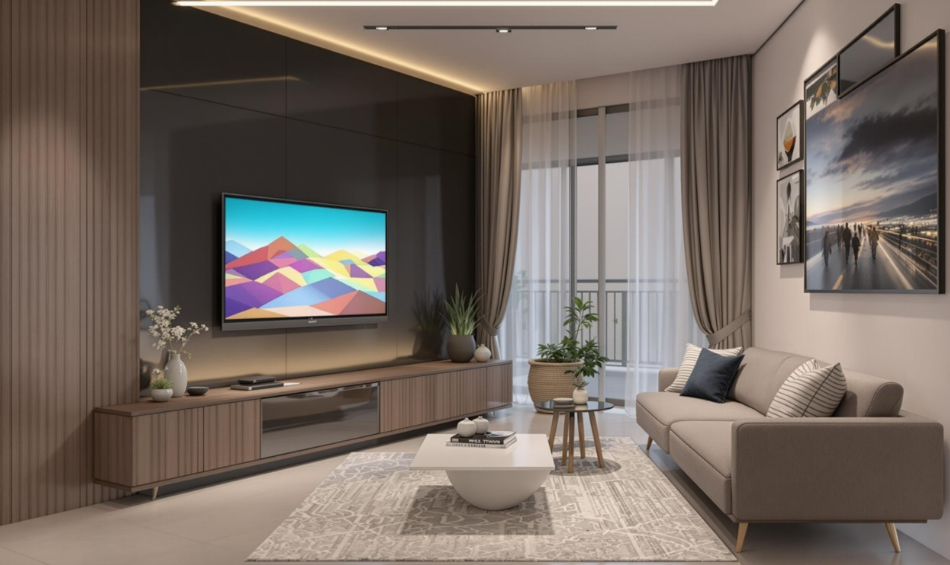
In today’s fast-paced world, flexibility, efficiency, and adaptability have become essential. This is where the concept of smart modular solutions comes into play. From homes to offices, modular systems are transforming the way we design, build, and interact with our spaces. But what exactly does “smart modular” mean, and why is it gaining so much attention?
What is Smart Modular?
Smart modular refers to systems, products, or solutions that combine the adaptability of modular design with intelligent, technology-driven functionality. In simpler terms, it’s the fusion of modular construction or components with smart technology. These systems can adapt to user needs, optimize space, improve energy efficiency, and enhance overall convenience.
Unlike traditional setups, smart modular solutions are designed to be reconfigurable. This means that whether it’s furniture, housing units, or office cubicles, components can be rearranged, added, or removed without significant effort or cost. The “smart” aspect integrates sensors, automation, and connectivity to make these modules responsive to environmental conditions and user preferences.


See also: Top Electrical Safety Tips for Homeowners
Applications of Smart Modular
1. Smart Modular Homes
Smart modular homes are prefabricated houses that come with technology-enabled systems. These homes are energy-efficient, cost-effective, and can be expanded or customized over time. Features often include automated lighting, climate control, and integrated security systems.
2. Smart Modular Offices
In workplaces, flexibility is key. Smart modular offices allow companies to adapt their office layout based on team size and workflow requirements. Combined with IoT-enabled devices, these offices can monitor occupancy, control lighting, and maintain optimal temperature, improving employee productivity and comfort.
3. Smart Modular Furniture
Furniture is no longer static. Smart modular furniture can serve multiple purposes: a sofa that converts into a bed, a desk that expands for collaborative work, or storage units with built-in charging stations. These innovations make urban living more practical, especially in limited spaces.
4. Smart Modular Industrial Solutions
Industries are also benefiting from smart modular systems. Factories and warehouses use modular units integrated with sensors and automation to enhance production efficiency, monitor inventory, and reduce operational costs.
Benefits of Smart Modular
- Flexibility: Easily adapt spaces according to changing needs without major renovations.
- Cost-Efficiency: Reduces construction and operational costs through modular prefabrication.
- Sustainability: Smart modular solutions often use eco-friendly materials and promote energy efficiency.
- Convenience: Automation and smart controls simplify daily operations and enhance comfort.
- Scalability: Expand or downsize spaces quickly, suitable for growing businesses or households.
Smart Modular Design Principles
To maximize efficiency and usability, smart modular systems follow key design principles:
- Interconnectivity: All components should communicate seamlessly.
- Reconfigurability: Modules should be easy to assemble, disassemble, or reposition.
- User-Centric: Solutions must prioritize convenience, accessibility, and adaptability.
- Sustainability: Eco-friendly materials and energy-efficient technologies are essential.
- Durability: Despite flexibility, modules should remain robust and reliable.
Challenges in Smart Modular Implementation
While the advantages are clear, implementing smart modular systems comes with challenges:
- Initial Investment: High upfront costs for smart technology integration.
- Technical Expertise: Requires knowledge in IoT, automation, and modular construction.
- Standardization: Lack of uniform standards can complicate expansion or upgrades.
- Maintenance: Smart systems require regular software updates and occasional technical support.
FAQs About Smart Modular
Q1: What makes a modular system “smart”?
A modular system is considered smart when it integrates technology such as sensors, automation, and connectivity to optimize functionality and efficiency.
Q2: Are smart modular homes cost-effective?
Yes, while the initial investment might be higher, they save money in the long run through energy efficiency, reduced construction costs, and adaptability.
Q3: Can smart modular furniture fit small apartments?
Absolutely. Smart modular furniture is designed to maximize space and serve multiple purposes, making it ideal for compact living.
Q4: Is smart modular technology suitable for businesses?
Yes, businesses benefit from reconfigurable office layouts, improved resource management, and smart monitoring systems that enhance productivity.
Q5: How sustainable is smart modular design?
Very sustainable. Smart modular systems often use recyclable materials, minimize waste through prefabrication, and integrate energy-efficient technologies.
Conclusion
Smart modular solutions are redefining the way we approach living, working, and industrial spaces. By combining adaptability with intelligent technology, these systems offer unmatched flexibility, efficiency, and sustainability. From homes to offices, industries, and furniture, smart modular designs cater to modern needs, ensuring spaces are not only functional but also responsive to changing demands.


